

Liebig Undercut Anchors • Above-Ground Mining
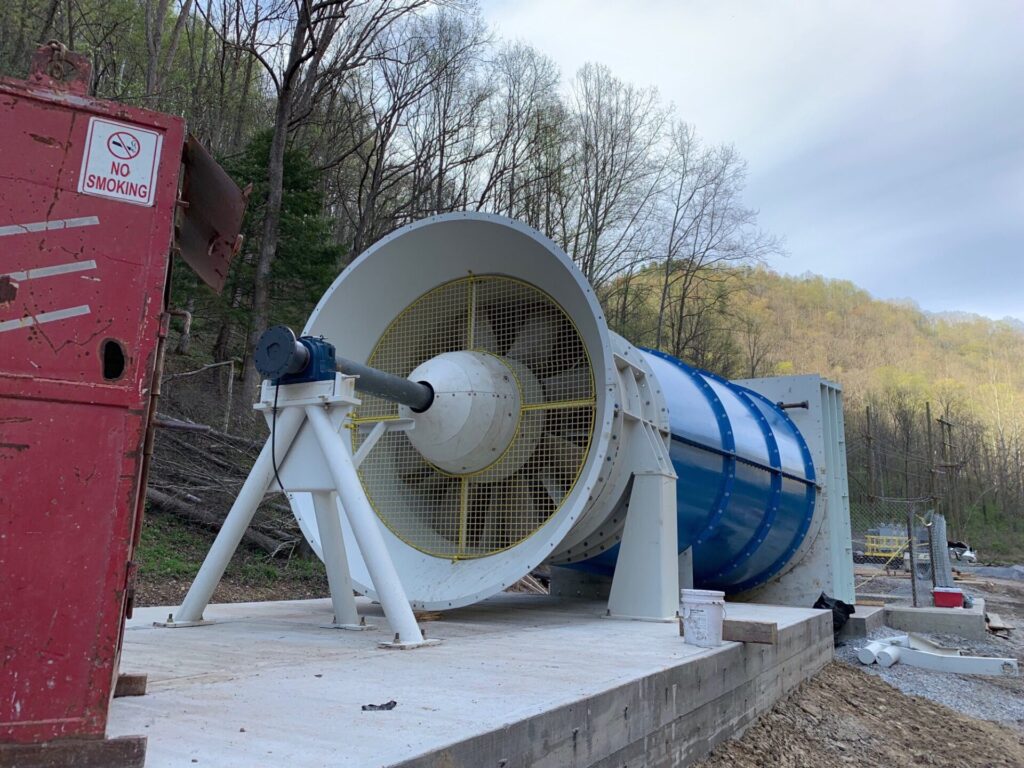
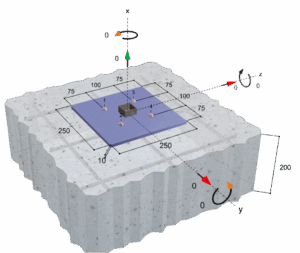
Above-ground mining infrastructure typically include conveyor galleries, transfer towers, processing plants, crusher stations, workshops, pump stations, ventilation equipment, structural steel and other critical plant infrastructure
Concrete Anchoring Challenges
The fixing holding your equipment in place has to be specified right
Above-ground mining infrastructure places exceptional demands on concrete anchor systems. Heavy equipment, continuous vibration, dynamic loading and harsh operating environments place significant demands on concrete anchors. Selecting the right fixing directly influences the safety, reliability and service life of critical infrastructure.
Dynamic Loading & Vibration
Conveyors, crushers and rotating equipment subject anchors to continual cyclic loading.
Heavy Static Loads
Processing equipment, structural steel and machinery foundations place high sustained loads on concrete anchor systems.
Limited Edge Distances
Existing foundations and compact baseplates often restrict anchor placement.
Existing foundations and compact baseplates often restrict anchor placement.
Retrofit Installations
Many projects involve upgrading or expanding existing infrastructure rather than building new.
Harsh Operating Environments
Moisture, chemicals and corrosive conditions demand durable anchoring solutions.
Moisture, chemicals and corrosive conditions demand durable anchoring solutions.
Long Design Life
Mining infrastructure is expected to perform reliably for decades with minimal maintenance.
Mining infrastructure is expected to perform reliably for decades with minimal maintenance.
These challenges often make conventional expansion anchors unsuitable for critical mining infrastructure, creating the need for an anchoring solution that transfers load through mechanical interlock rather than expansion forces.
Where Liebig Undercut Anchors Are Used
Common Above-Ground Mining Applications
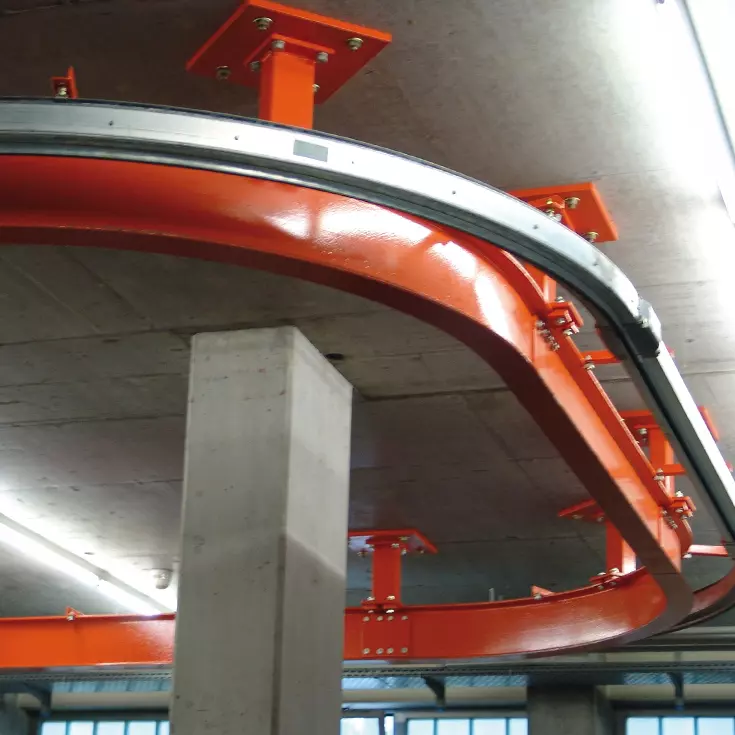
Undercut anchors are specified across a wide range of above-ground mining infrastructure where high loads, vibration, limited edge distances or demanding service conditions make conventional expansion anchors less suitable.
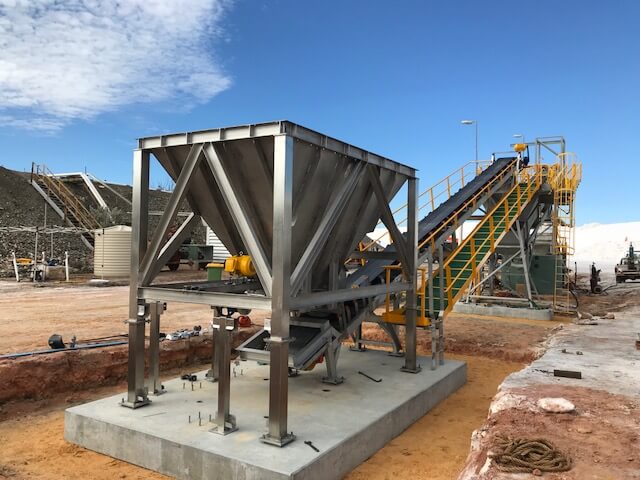
Conveyor & Materials Handling Systems
Conveyor galleries
Transfer towers
Ore handling systems
Support structures
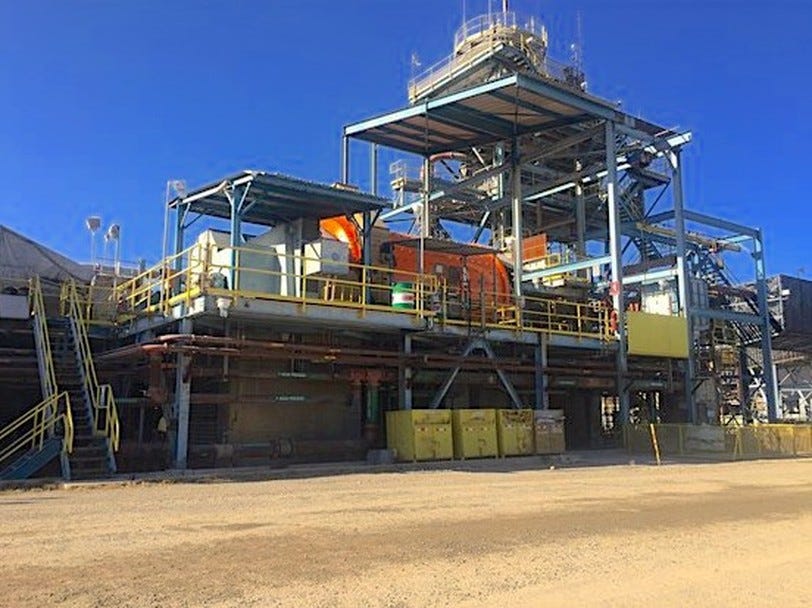
Plant Infrastructure & Services
Pump stations
Electrical installations
Service suspension
Guard rails
Undercut vs Expansion
Why Choose Undercut Anchors Over Expansion Anchors?
When selecting anchors for above-ground mining infrastructure, the key question is how they perform under heavy loads, vibration and long-term service conditions. Understanding the difference between expansion anchors and undercut anchors is critical when specifying safety-critical fixings.
Conventional Expansion Anchors
- Load transferred through expansion pressure – Relies on friction against the drill hole wall.
- Performance under vibration – Micro-cracking reduces holding capacity over time.
- Concrete limitations – Many products are approved only for specific conditions.

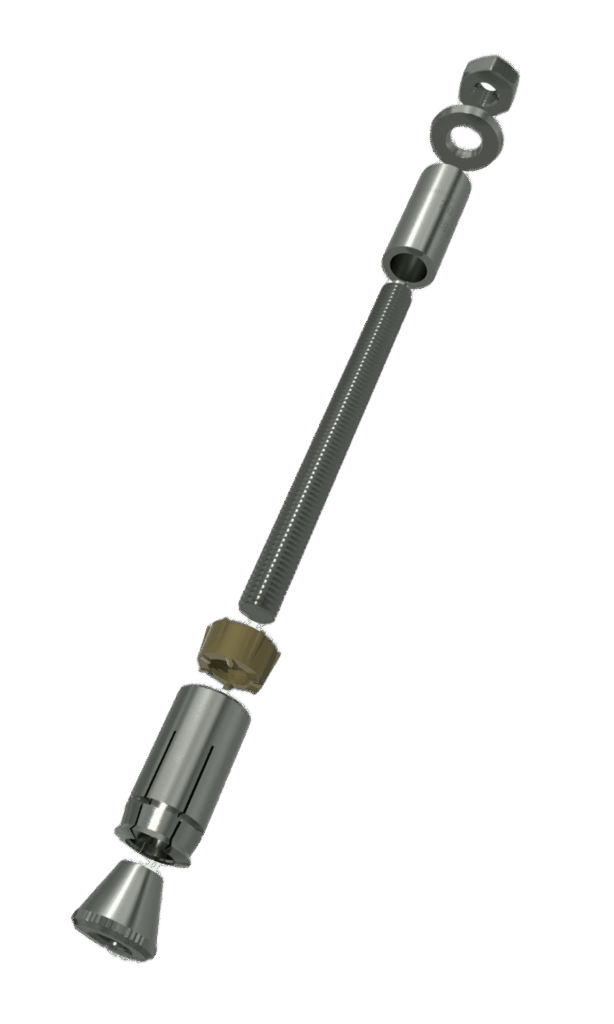
Liebig Undercut Anchors
- Mechanical Interlock – Positive load transfer independent of expansion pressure.
- Simple Installation – Superplus BLS self-undercuts using a standard rotary hammer.
- ETA Option 1 – Approved for cracked and non-cracked concrete.
For safety-critical mining infrastructure subjected to vibration, heavy loads or demanding service conditions, undercut anchors provide a more reliable load transfer mechanism than anchors relying solely on expansion forces.
On site
How Liebig anchors install
The Superplus BLS – our most specified product for mining plant — installs in four steps with a standard rotary hammer: no special tooling, no undercutting bit, no load testing required.
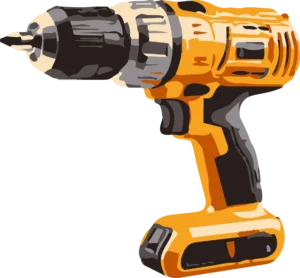
Drill
Drill to the specified diameter and minimum embedment depth using a standard rotary hammer and carbide bit
Clean
Blow out the hole with compressed air — removing concrete dust ensures maximum contact and load transfer

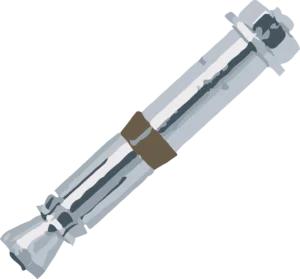
Install
The anchor self-undercuts as it’s driven in — no special bit. The cutting edges form the interlock void in the concrete
Torque
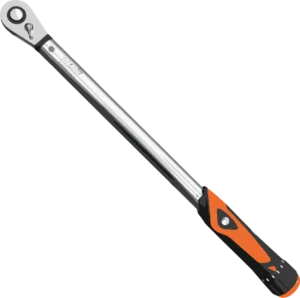
Torque to specification. The domed washer flattens at correct torque — visible confirmation that every anchor is correctly set
Recommended Products
Recommended Liebig Anchors for Above-Ground Mining
The Liebig range includes solutions for everything from general plant fixings to safety-critical infrastructure. Our engineering team can help you select the most suitable anchor based on your application, concrete condition and load requirements.


Engineering Support
Speak with an Anchor Specialist
Whether you’re designing a new processing plant, upgrading existing infrastructure or selecting anchors for a safety-critical application, our engineering team can help. We’ll recommend the right anchor, provide technical documentation and assist with product selection based on your application, substrate and load requirements.
✓ Product Selection
✓ Load Advice
✓ Installation Guidance
✓ Project-Specific Solutions
Sam Smith
Commercial Development Manager – Anchoring Systems
No project is too early. If you’re still evaluating options, we’re happy to discuss your application before specification.